Why Digital PR Is Becoming Essential for AI SEO
SEO and Digital PR used to be considered different practices for years. The former was all about rankings, keywords, and technical optimizations while the latter was all about media presence and brand visibility. Having worked with SEO and Digital PR for more than a decade, I believe that both practices go hand in hand. And the rise of AI-driven search just solidified that belief.
At Simply Sansu, I am spending a great deal of time working on content not only to help businesses rank but also to educate business owners on SEO, AI SEO, and digital marketing in general. However, having spent years creating content, I’ve noticed that there is something more than creating great content—talking about it, citing it and linking to it is also vital to build trust.
That’s where Digital PR comes in.
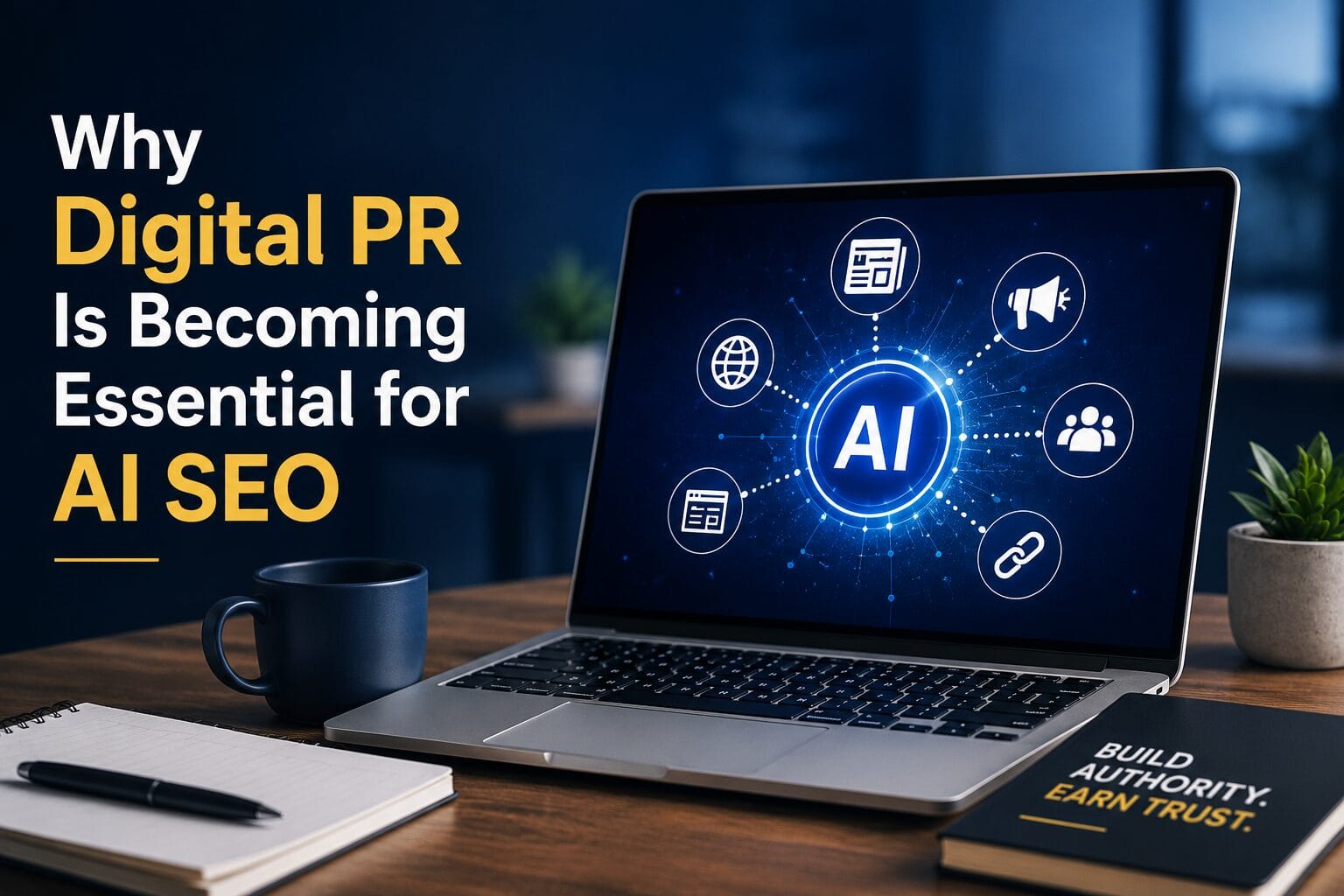
The search is evolving. Google AI Overviews, ChatGPT, Gemini and Perplexity do not simply provide users with lists of pages. Instead, they search for information to trust. They use not only well-written content but also brand mentions and citations across the web to make their conclusions.
The growing importance of Digital PR in AI SEO isn’t just my observation. Industry experts are seeing the same shift. Kat Gibbons, Operations & Growth Director at Bamboo), explains it well:
SEO is no longer a standalone discipline. What we’re seeing with GEO (generative engine optimization) is that AI Overviews and generative search pull from two reinforcing signal sets: well-structured, genuinely helpful on-sitecontent and third-party authority signals, mentions, citations, and coverage from other credible sources. That second part is where PR becomes non-negotiable, rather than just a “nice to have.”
Kat Gibbons, Operations & Growth Director at Bamboo
Success in this space requires brands to treat content and PR as a single, integrated function rather than separate work streams. Over-optimized, keyword-stuffed content written purely to satisfy an algorithm is increasingly easy for both Google and AI platforms to discount. What performs is content with real perspective, written by people with actual expertise, that other reputable sites and publications choose to reference organically.
In practice, that means omni-channel campaigns where digital PR, thought leadership, and technical SEO move together, each amplifying the other’s signals. Brands chasing rankings in isolation, without building genuine authority and earned visibility elsewhere, will struggle to show up in this new AI-enabled search landscape.
Kat’s perspective focuses on the growing importance of Digital PR and third-party authority in AI search. Another expert, Jordan Price, Director at Small City Marketing, shares a practical view of how his agency has adapted its SEO strategy for Google AI Overviews:
Most of the businesses we work with generally seemed to panic when AI Overviews started taking over the top of the page, but the fix has been less dramatic than perhaps some people expected. Google has been clear that there is no secret markup or special trick to appear in AI Overviews. What earns a citation is the same thing that earns a good ranking, made easier for a machine to lift that value out cleanly.
Jordan Price, Director at Small City Marketing,
The single change that has made the biggest difference for us is structure. AI Overviews pull short, self-contained blocks of around 130 to 160 words, so we now open every page and every section with a direct answer to the question, then add the detail, examples and caveats underneath. If the answer is buried 3 paragraphs down, it rarely gets picked up. We have rewritten service-based pages, particularly this way, so the page answers the buying questions people actually type, instead of just listing features.
First-hand experience is the other thing that matters far more than it used to. AI cannot have done the work itself, so content that says “when we did this for a client” or “here is what we found” stands out against the FLOOD of generic AI-written copy that we keep seeing at the moment. We use original photography rather than stock where we can, name the author on a piece, and show why they are qualified to talk about the topic.
We have also stopped thinking page by page and started thinking in ‘topics’. Picking one core subject, writing a strong pillar piece, and then supporting it with around 8-12 linked articles builds the authority that gets a brand referenced again and again. Being mentioned elsewhere feeds into this too, so founder-led LinkedIn posts and coverage on other sites now point straight back to whether you get cited.
On tools, Google Search Console tends to be where we always start, because AI Mode clicks now sit in there and you can see which queries you are appearing for. Alongside it we use Semrush to spot which terms trigger an AI Overview, and once a week we run our target questions through Google, ChatGPT, and Perplexity by hand to see who is being cited and why.
Finally, the hardest shift, I would say, is measurement. Clicks on the classic blue links are falling even when visibility is up, so we report on impressions, branded searches, and citations rather than traffic alone. The aim now is to be the source the AI trusts enough to quote, while holding your organic position underneath it.
It should come as no surprise that even humans value recommendations from independent sources above self-promotion.
Artificial intelligence-based searches depend on two reinforcement signals: quality content you create on your website and authority generated by mentions, citations, and media coverage. And PR is no longer optional; it’s going to become crucial for visibility in the world of AI search.
And how could I disagree?
Over years of working in this field, I’ve seen too many companies investing in content creation and ignoring promotion. They create great content but do nothing about their rankings. It usually doesn’t work any longer.
If your expertise is cited in industry journals, written about by journalists, and mentioned by authoritative sources, you don’t only earn links; you earn credibility. These mentions show both humans and AI algorithms that your business is recognized beyond its website.
That’s why I’ve been more active lately in writing for expert roundups and answering journalist’s inquiries. All these activities contribute to establishing my personal brand, my business and, of course, Simply Sansu as an authority. And it gives me an opportunity to provide advice on topics which I know firsthand.
Does this mean that traditional SEO becomes less relevant?
Not really.
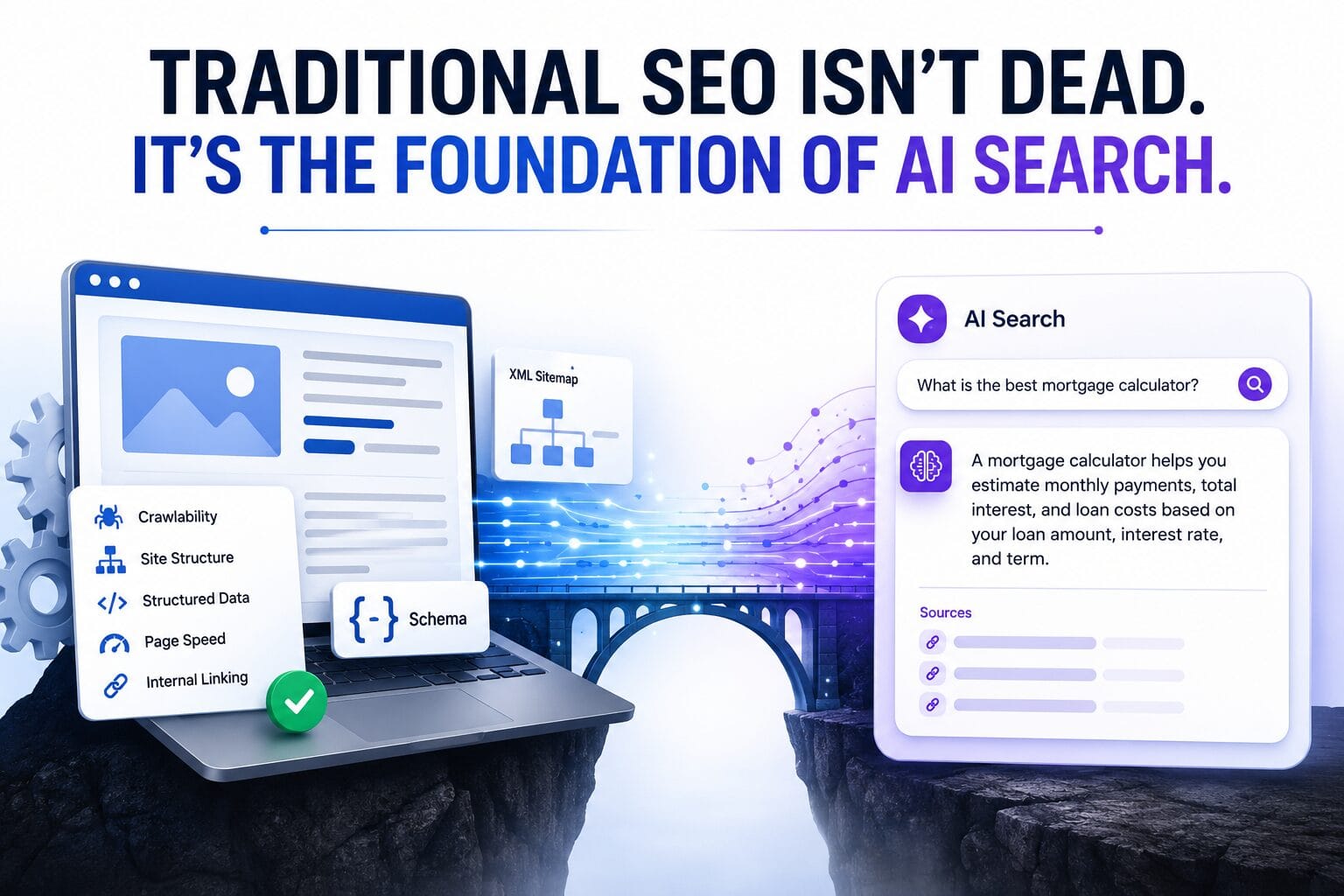
Technical optimization, helpful content, internal links, and a fast website continue to lay the foundation. If there’s nothing like this, then Digital PR won’t have anything to amplify. But the companies which are going to shine in the upcoming years will be the ones that combine effective SEO techniques and real authority gained with the help of the mentioned above activities.
AI SEO doesn’t replace traditional SEO. AI rewards the businesses which deserve trust.
And if you’re planning on creating quality content in 2020, don’t stop when you click on the “Publish” button. Promote your knowledge, build connections with journalists, be active in your industry. In the era of AI-first search, visibility goes to the brands which are recognized both by search engine algorithms and people.
Related Reading:
Want to understand how AI search works and what businesses can do to improve visibility in ChatGPT, Gemini, and AI Overviews? Read: What Is AI SEO? A Beginner’s Guide to Ranking in AI Search