Can AI Content Build Trust? A Case Study of AI Ads That Clicked and Those That Failed
I have nothing against AI. In fact, I use AI myself.
But there is something I have started noticing more and more. Some brands are using AI so heavily in their videos and creatives that the human connection is slowly disappearing.
At first, AI-generated content looked impressive. It was new, polished, and fascinating. But now, when every brand starts using similar AI faces, voices, animations, and visuals, something changes.
It starts feeling less real.
After rounds of back-and-forth instructions about the angle, the idea, the requirements, and the overall look, ChatGPT finally came up with this ad for me.
People Can Tell When Something Feels Fake
Maybe not everyone can immediately identify that a video is AI-generated. But people can often feel that something is off.
The expressions may look unnatural. The voice may lack emotion. The movement may be slightly strange. The entire video may look polished but still fail to create a genuine connection.
And that matters because brands don’t build trust through perfection.
They build trust through authenticity.
AI Is a Tool, Not the Brand
AI can save time, reduce production costs, and help marketers create content faster. It can be incredibly useful when used properly.
But there is a difference between using AI to support creativity and using AI instead of creativity.
When everything from the person in the video to the voice, background, and script is generated by AI, I sometimes wonder, where is the brand in all this? Where are the real people? Where is the personality? Where is the experience behind the message?
We Still Connect With People
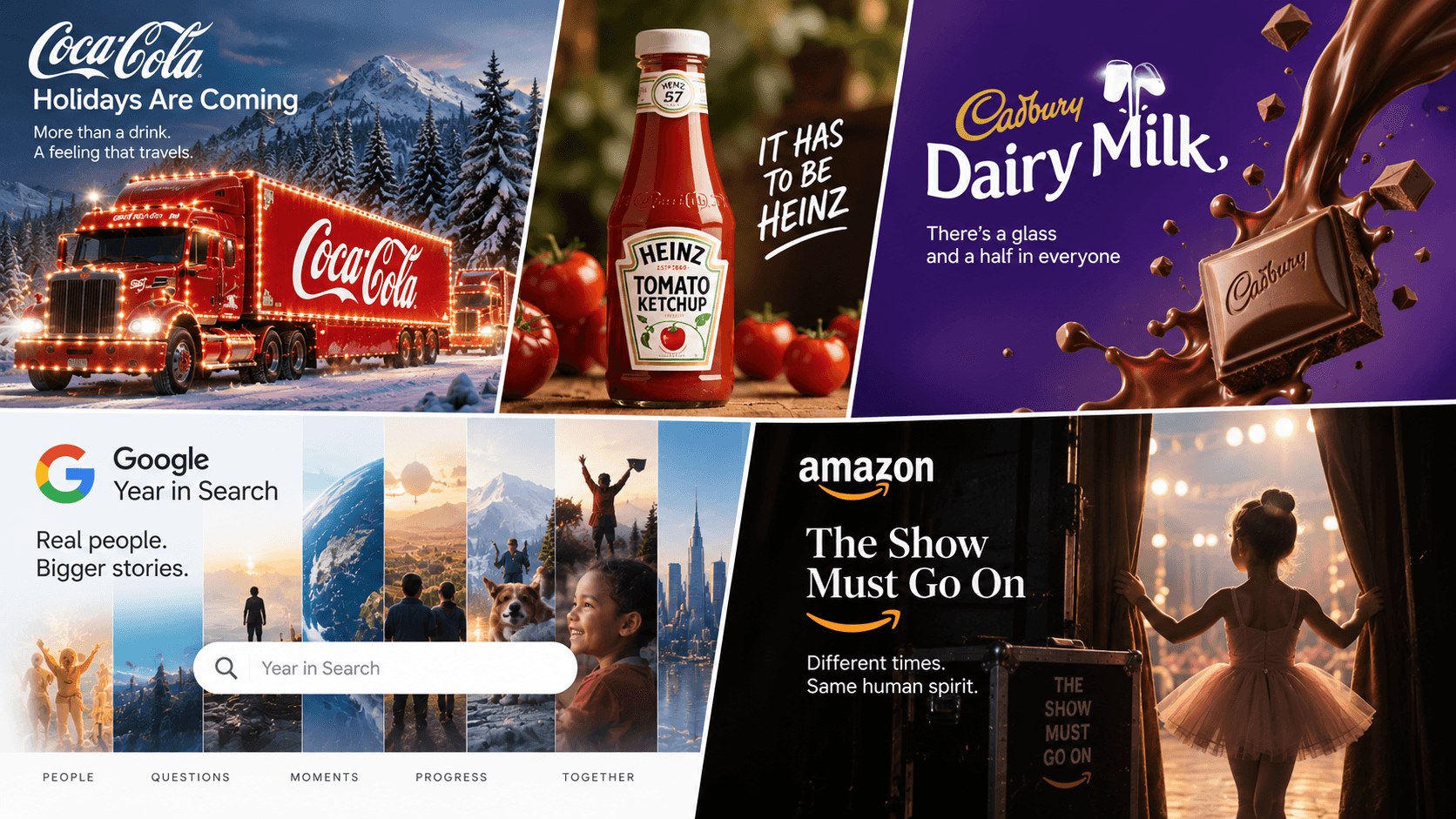
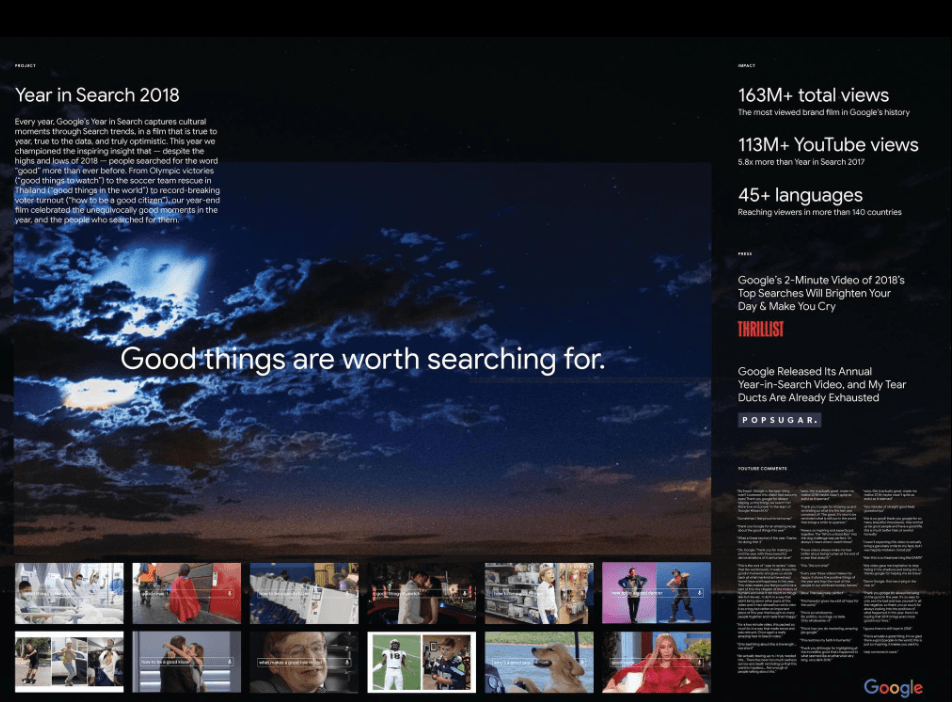
Google’s “Year in Search” campaigns have always stood out to me because they turn real human experiences, emotions, and moments into stories that people can relate to. Then there’s the Cadbury Dairy Milk cricket ad, which captured such a simple, spontaneous moment of joy that it stayed with an entire generation. Amazon’s “The Show Must Go On” touched a different emotion, telling a story of perseverance and hope during the pandemic. None of these needed to feel overly perfect or artificial. They connected because there were real people, real emotions, and real stories at the heart of them.


Think about why we remember certain advertisements. Sometimes it isn’t because the video had amazing graphics. It is because someone said something that felt real. A founder speaking about their journey. A customer sharing a genuine experience. An employee talking about the company. A real person making us laugh, think, or feel something.
Those imperfect moments can sometimes be more powerful than a perfectly generated video.
The Problem Is Not AI
The problem is overusing it.
If a company uses AI to create a concept, improve a video, edit content, or speed up production, I don’t see a problem. But when a brand replaces almost every human element with AI, it risks becoming just another piece of content in an endless feed. And in a world already overflowing with content, being another piece of content is not the same as being memorable.
AI Can Be Good Too, In Some Cases
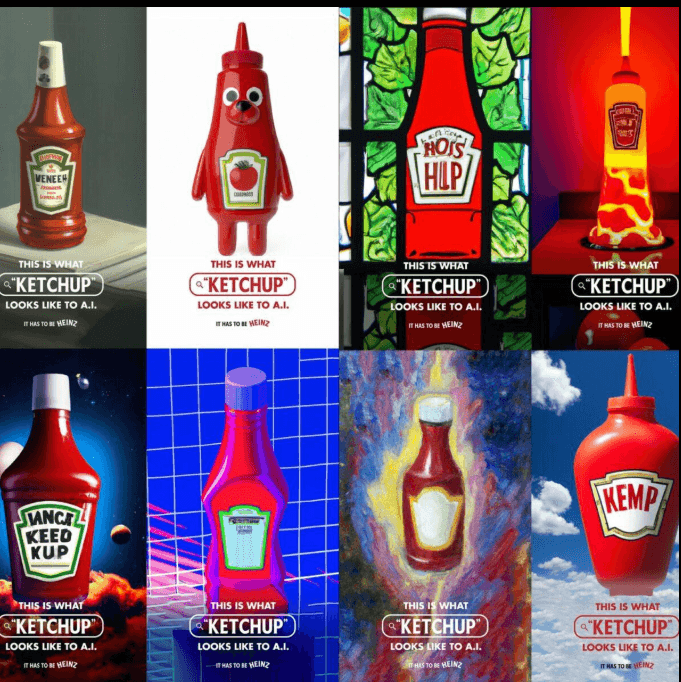
But I don’t think AI has no place in advertising. Heinz’s “AI Ketchup” campaign is a good example of how AI can actually be used creatively. Heinz asked AI to show what ketchup looks like, and the results repeatedly resembled the brand’s iconic ketchup bottle.
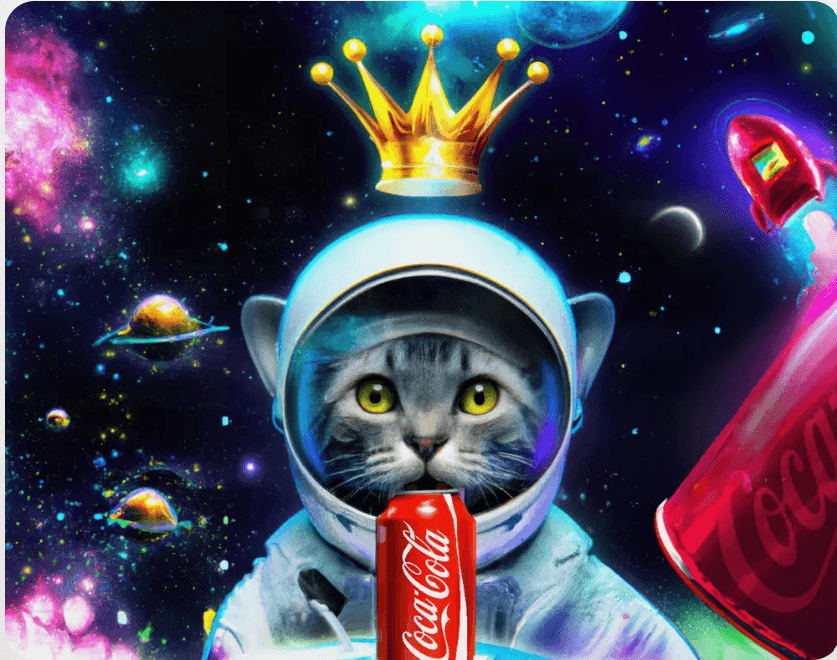
Another interesting example is Coca-Cola’s “Create Real Magic” campaign, which invited people to use AI to create artwork using Coca-Cola’s iconic brand assets. Here, AI became a tool for participation and creativity rather than simply replacing the human element.
What I liked about both campaigns is that AI didn’t replace the idea. It became part of the idea.
That, to me, is the difference.
AI can make advertising faster and more creative, but it shouldn’t remove the human thinking, emotion, and identity behind a brand. Use AI to enhance creativity, not to replace the connection that makes people trust and remember a brand.
When AI Doesn’t Work
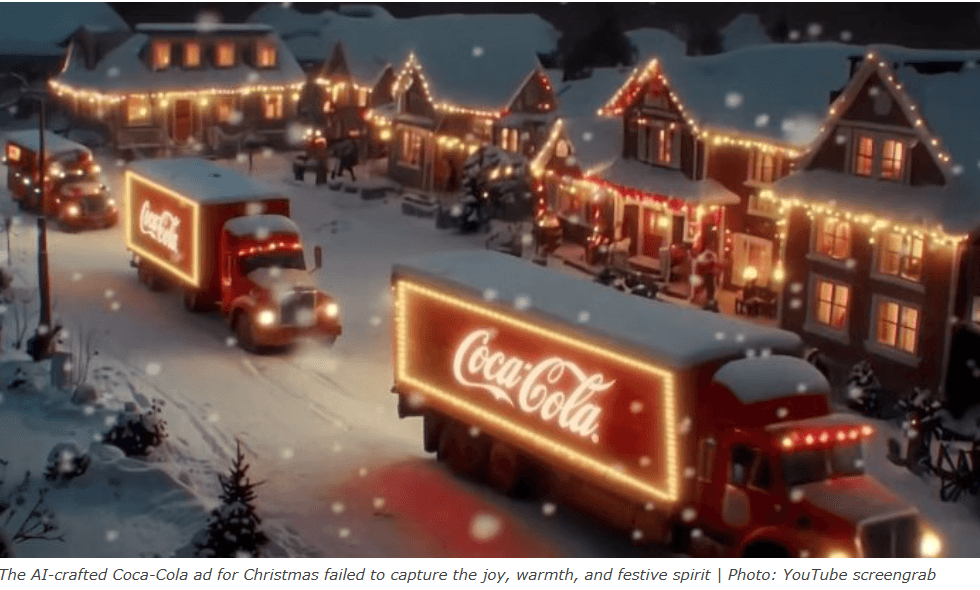
But AI advertising can also go wrong. Coca-Cola’s 2024 AI-generated Christmas ad tried to recreate the magic of its much-loved “Holidays Are Coming” campaign. However, many viewers felt that the new version looked artificial and lacked the warmth and emotion of the original.
And that is what makes it interesting. Coca-Cola already had something AI could never create from scratch: nostalgia and an emotional connection built over decades.
The technology may have been impressive, but for many people, the emotion was missing.
Sometimes, what a brand needs is not more technology, but more humanity.
Trust Takes Longer to Build
Companies spend years building their reputation. They invest heavily in branding, advertising, PR, and customer relationships.
So why risk that trust just to produce content faster?
AI can make content. But trust still comes from people.
For me, the future isn’t about choosing between humans and AI. It is about using AI without losing the human being behind the brand. Because people may engage with AI-generated content, but they still build relationships with people.