From Local Markets to Digital Markets: How Social Media Changed Village Commerce
A few years ago, if someone in a village wanted to sell vegetables, homemade pickles, handicrafts, clothes, or other local products, their customers were usually people nearby.
The village had its own small ecosystem. There were local shops, weekly markets, neighbors, relatives, and, perhaps most importantly, word of mouth.
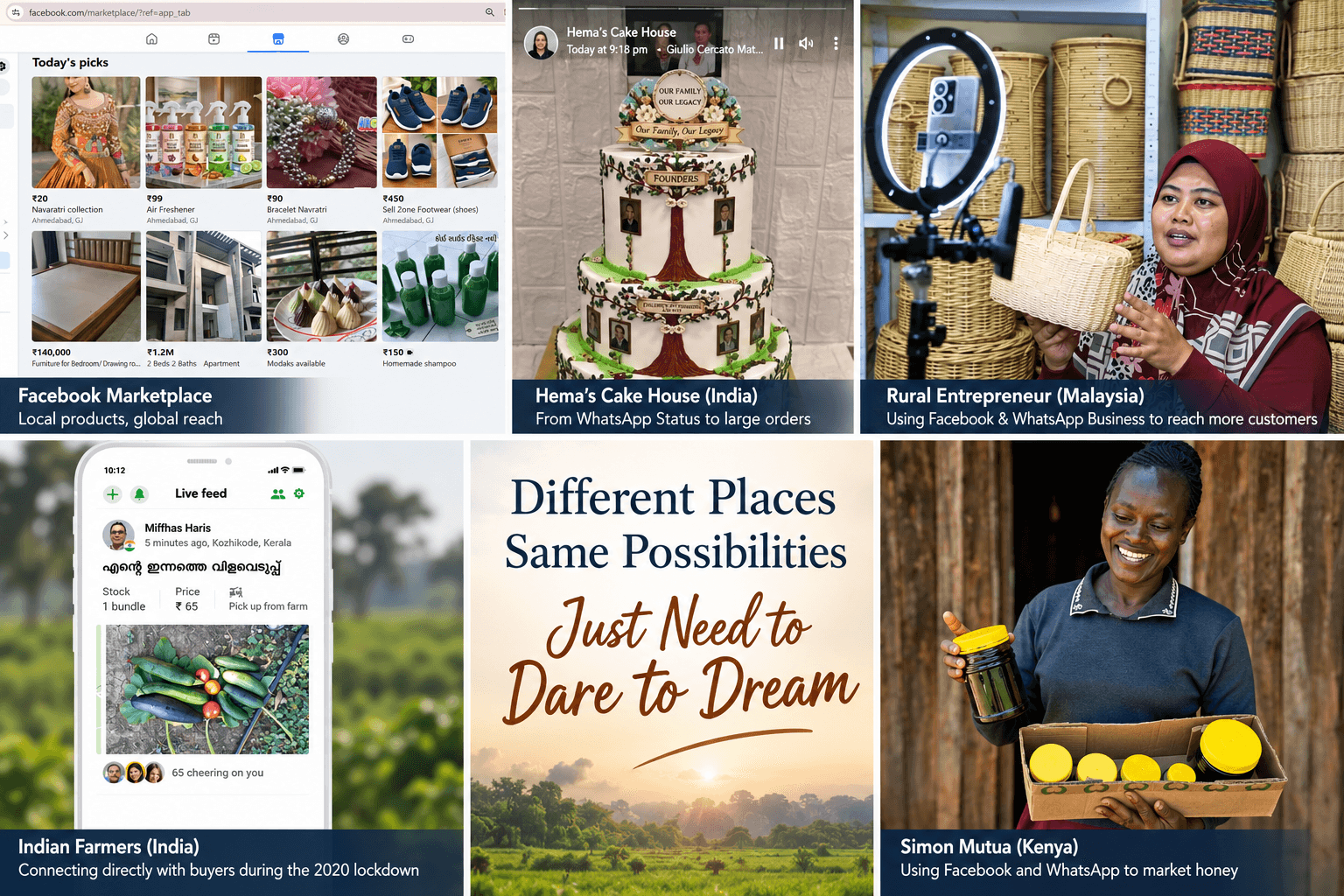
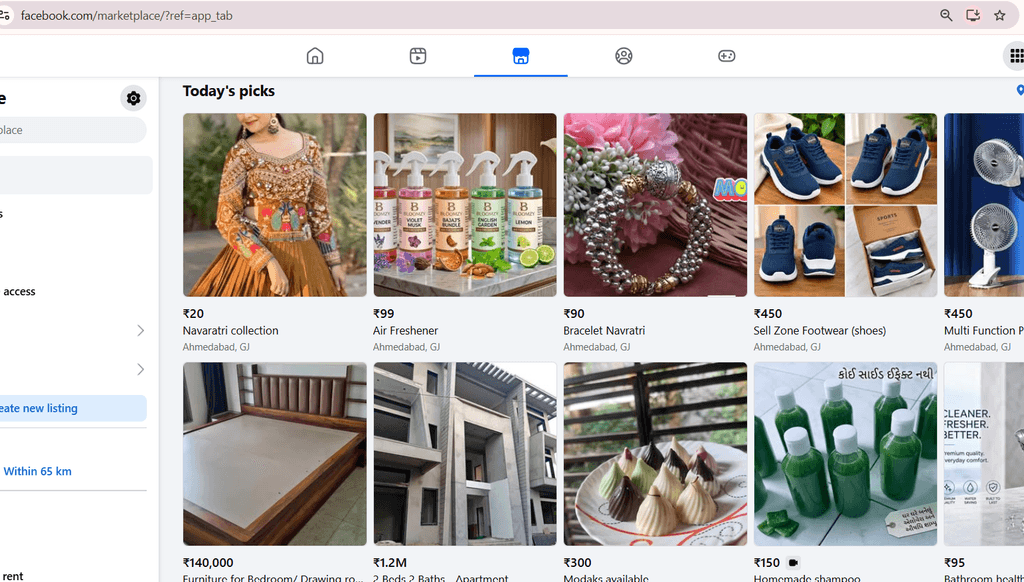
A farmer can post a video of a fresh harvest on Facebook. A home baker can showcase cakes on Instagram. A craft maker can upload a product demonstration to YouTube or TikTok. A local shopkeeper can announce new arrivals through WhatsApp Status or a Facebook group.
I am another example of how social media has removed geographical boundaries for Simply Sansu. Sitting in India, I can use Facebook Ads, WhatsApp, Instagram and other social platforms to showcase my services and reach businesses across the world. My clients don’t have to be in my city, or even in my country. Social media has made it possible for a small business or an individual sitting in India to target and connect with global businesses.
You just need to dare to dream.
Social media has turned the village marketplace into something much bigger.
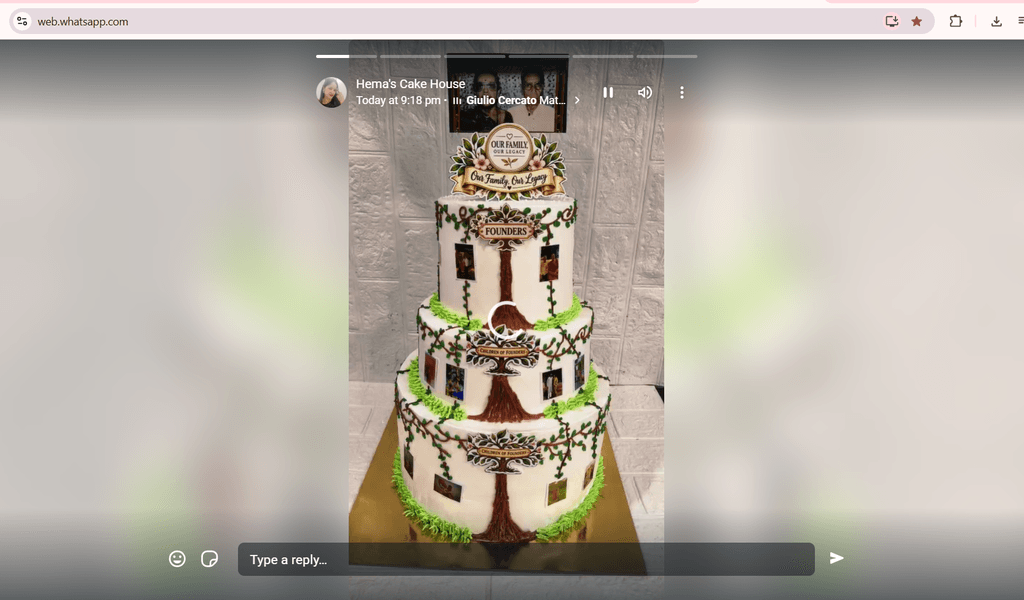
My friend Hema is a perfect example. She started her cake business on a small scale, using WhatsApp Status to showcase her creations. Today, she receives orders in large numbers. Her journey shows that social media has made it possible to dream without boundaries. You just need to dare to dream.
The Shop Is Now on the Phone
You no longer necessarily need a physical shop to show people what you sell.
A photograph, Reel, a Whatsapp status, short video or Facebook post can introduce a product to hundreds or even thousands of potential customers.
A farmer can show how vegetables are grown. A handicraft maker can demonstrate how a product is made. A home-based food business can post today’s menu. A clothing seller can showcase new designs through Instagram.
People can discover these products while scrolling through their social feeds, even if they have never heard of the seller before.
The smartphone has effectively become a shop window.
From Local Buyers to Customers Far Away
This is where social media becomes particularly interesting.
A product made in a village doesn’t necessarily have to be sold only to people living nearby.
A handicraft posted on Instagram could attract someone in another city. A farmer’s produce could find buyers through a local Facebook community. A YouTube video could introduce a traditional product to people in another country.
The physical product may still come from a small village.
But its audience can be global.
Real Examples From Around the World
This isn’t just a theoretical change.
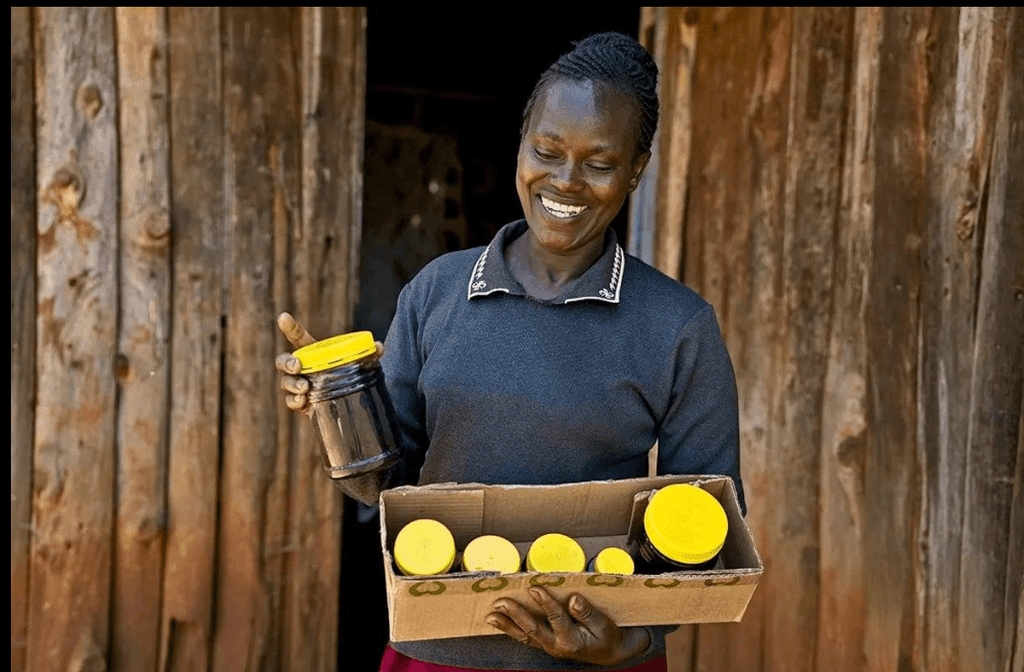
In Kenya, beekeeper Simon Mutua used Facebook and WhatsApp to market his honey and connect directly with customers instead of relying entirely on traditional buyers.
Simon Mutua, the Kenyan beekeeper } Image Source: xinhuanet.com
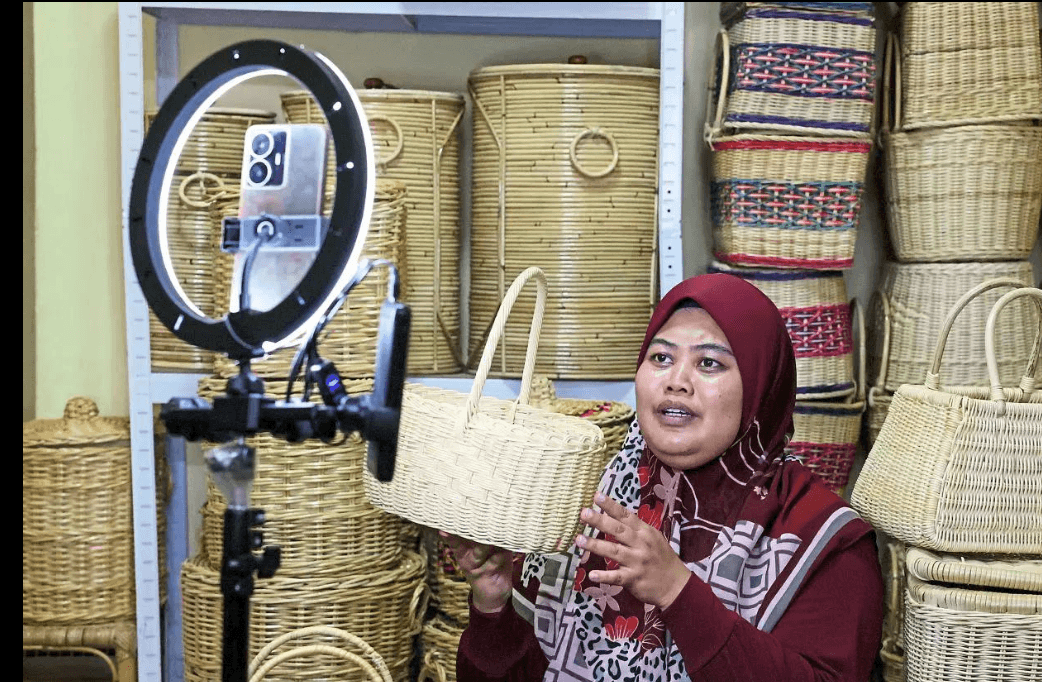
In Malaysia, rural producers have used social platforms including Facebook and WhatsApp Business to promote locally made products and reach customers beyond their immediate communities.
A rural Malaysian entrepreneur with local products | Image Source: UNCDF
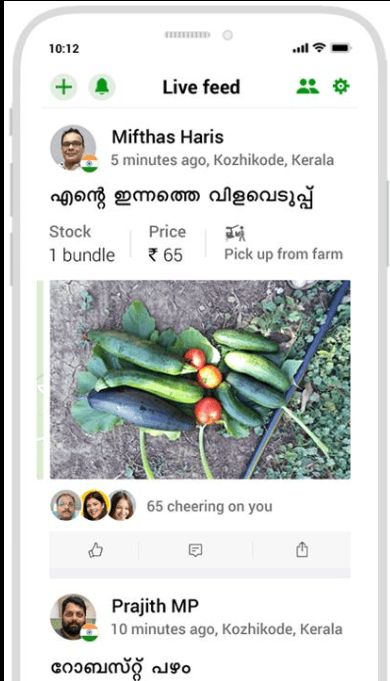
In India, farmers have also used social media to promote agricultural produce directly to consumers. During the 2020 lockdown, social media helped connect farmers with buyers when traditional markets were disrupted.
India’s distressed farmers | Source: Indian Express
These examples show something important.
Social media isn’t simply another place to advertise. It can change who a seller can reach.
Buying Has Changed Too
The transformation isn’t only happening on the seller’s side.
Consumers now discover products through their feeds.
They watch reviews on YouTube. They see products demonstrated in Instagram Reels. They ask for recommendations in Facebook groups. They message sellers through Instagram or WhatsApp. They compare prices and experiences before buying. And sometimes, they discover a product they weren’t even looking for.
That is very different from walking into a village shop and asking, “What do you have today?”
Now the products can come looking for you.
Word of Mouth Hasn’t Disappeared
Interestingly, social media hasn’t killed traditional word of mouth.
It has amplified it.
Earlier, one happy customer might tell five neighbors about a good product.
Today, that same customer can post a review, share a photograph, create a Reel or recommend the seller in a community group.
One recommendation can potentially reach hundreds of people.
Trust has moved online too.
People look at comments, reviews, followers, photographs, and recommendations before deciding whether a seller is worth trying.
The Village Marketplace Is No Longer Just a Place
Perhaps the biggest change is that the marketplace itself has changed.
It isn’t necessarily the weekly market, the roadside shop, or the local bazaar anymore.
It can be a Facebook page. An Instagram profile. A YouTube channel. A TikTok account. A WhatsApp community. Or a combination of all of them.
And the customer doesn’t necessarily have to live in the same village.
The seller may still be sitting in a small village, making the same products their family has made for generations.
But now, the world can see them.
The Digital Village
Social media hasn’t replaced the village market.
It has expanded it.
What was once limited by geography can now travel through a screen.
And perhaps that is the most interesting change of all: a village business no longer has to remain a village business.
The Other Side
But social media also comes with risks. Small businesses can face fake accounts, phishing, scams and even losing control of their business profiles.
In Singapore, small-business owner Dayana Rizal, who ran a pottery business on Instagram, was tricked by someone posing as a customer. The scammer used Instagram’s password-reset process to take over her business account.
This shows the other side of digital opportunity: the same platform that can bring customers to a small business can also expose it to new risks.
Social media opens doors, but you still need to know who you’re opening them to.
Dream Big, But Stay Cautious
Social media has made it possible to reach customers and businesses far beyond our own communities. But with those opportunities come scams, fake accounts, misinformation and digital risks.
The answer isn’t to stay away from social media. It is to use it wisely.
Verify people before doing business, protect your accounts and payments, be careful about what you share, and build trust gradually.
The digital world has opened doors that previous generations could only imagine.
We just need to be smart enough to walk through those doors safely.
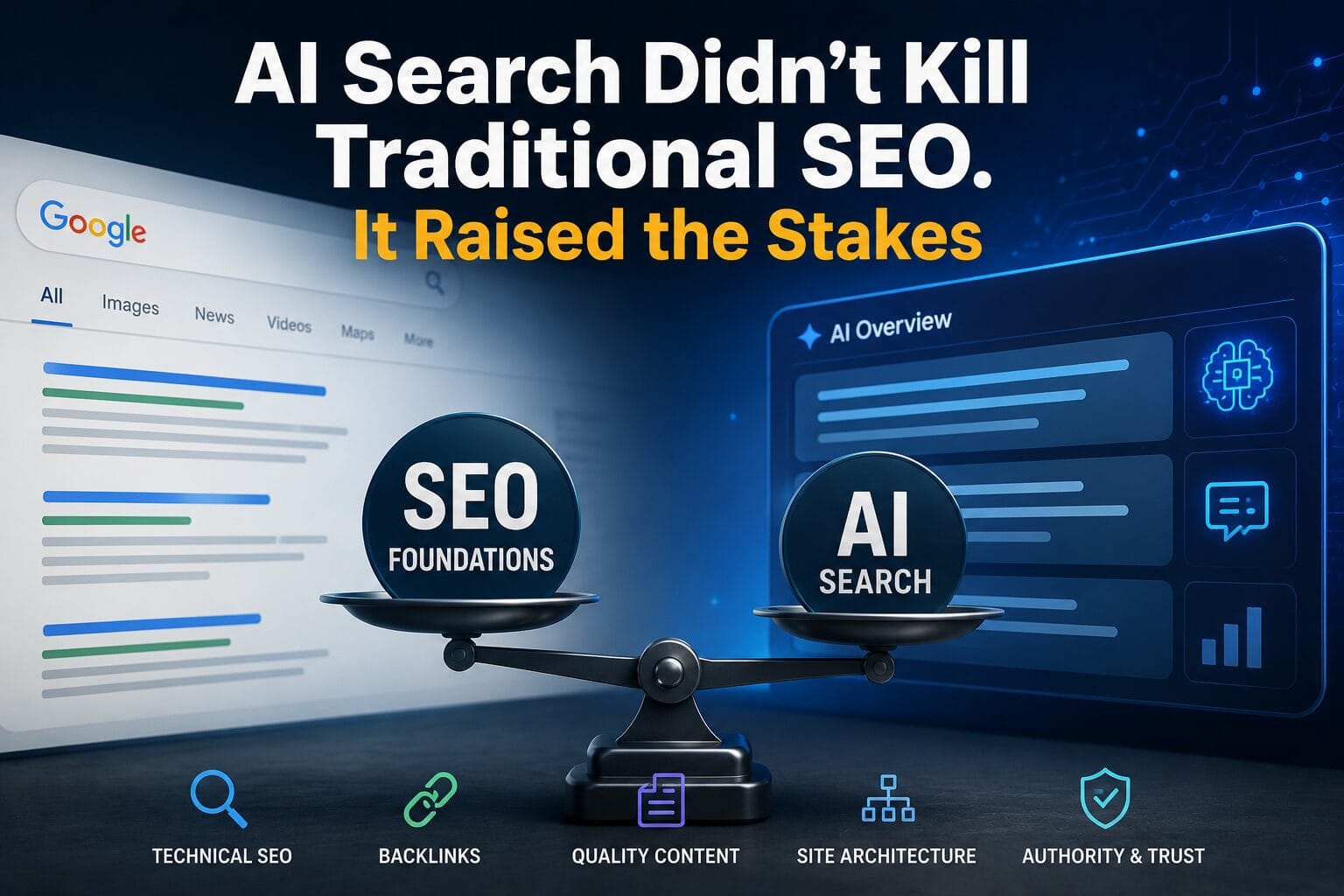
Related Reading: The Ecommerce SEO Guide
Learn how SEO can help ecommerce businesses improve search visibility, attract relevant traffic and turn online visitors into customers.
Contains information related to marketing campaigns of the user. These are shared with Google AdWords / Google Ads when the Google Ads and Google Analytics accounts are linked together.
90 days
__utma
ID used to identify users and sessions
2 years after last activity
__utmt
Used to monitor number of Google Analytics server requests
10 minutes
__utmb
Used to distinguish new sessions and visits. This cookie is set when the GA.js javascript library is loaded and there is no existing __utmb cookie. The cookie is updated every time data is sent to the Google Analytics server.
30 minutes after last activity
__utmc
Used only with old Urchin versions of Google Analytics and not with GA.js. Was used to distinguish between new sessions and visits at the end of a session.
End of session (browser)
__utmz
Contains information about the traffic source or campaign that directed user to the website. The cookie is set when the GA.js javascript is loaded and updated when data is sent to the Google Anaytics server
6 months after last activity
__utmv
Contains custom information set by the web developer via the _setCustomVar method in Google Analytics. This cookie is updated every time new data is sent to the Google Analytics server.
2 years after last activity
__utmx
Used to determine whether a user is included in an A / B or Multivariate test.
18 months
_ga
ID used to identify users
2 years
_gali
Used by Google Analytics to determine which links on a page are being clicked
30 seconds
_ga_
ID used to identify users
2 years
_gid
ID used to identify users for 24 hours after last activity
24 hours
_gat
Used to monitor number of Google Analytics server requests when using Google Tag Manager
1 minute
Google reCAPTCHA helps protect websites from spam and abuse by verifying user interactions through challenges.
Name
Description
Duration
_GRECAPTCHA
Google reCAPTCHA sets a necessary cookie (_GRECAPTCHA) when executed for the purpose of providing its risk analysis.
179 days
Marketing cookies are used to follow visitors to websites. The intention is to show ads that are relevant and engaging to the individual user.
Name
Description
Duration
sbjs_udata
Session
sbjs_session
30 minutes
sbjs_migrations
Helps SourceBuster handle changes or migrations between versions of its tracking/attribution system.
Session
sbjs_first_add
Stores additional first-visit/source attribution information
Session
sbjs_first
Records the visitor's first traffic source for attribution
Session
sbjs_current_add
Traffic-source/visit attribution
Session
sbjs_current
Tracks the visitor's current traffic/source information, such as where the visit originated.