Why Technical Search Fundamentals Remain Paramount
— Pratik Singh Raguwanshi, LiveHelpIndia
The digital landscape is in constant flux. With the emergence of AI-powered search interfaces like ChatGPT and Google’s AI Overviews, many question the enduring relevance of traditional Search Engine Optimization (SEO). However, a deeper examination reveals that the foundational principles of traditional SEO are not only still relevant but are becoming even more critical. These technical fundamentals serve as the bedrock upon which both traditional organic rankings and visibility within emerging AI-driven search answer engines are built. Navigating this evolving search environment requires a nuanced understanding. The goal is to ensure that content is discoverable and authoritative, regardless of the user’s entry point or the search engine’s methodology. This requires a steadfast commitment to the core tenets that have long defined successful online presence. The strategic importance of these foundational elements cannot be overstated. They directly impact how effectively search engines can understand, process, and rank content. This, in turn, influences user experience and, ultimately, business outcomes.
The Enduring Core of Technical SEO
Technical SEO forms the essential scaffolding for any website’s search performance. It encompasses the behind-the-scenes optimizations that make a site crawlable, indexable, and understandable to search engines. These elements are not subject to algorithmic whims as much as content or link-building strategies.
Indexation: The Gateway to Visibility
Ensuring that search engines can access and index every relevant page is the first, non-negotiable step. A website’s structure, internal linking, and use of robots.txt directives all play a crucial role. When indexation is flawed, even the most brilliant content will remain invisible.
Site Architecture and Crawlability
A logical site structure facilitates easy navigation for both users and search engine bots. Orphaned pages or deep, convoluted navigation paths create barriers to discovery.
Robots.txt and Meta Robots Tags
These tools provide explicit instructions to search engine crawlers. Misconfigurations here can inadvertently block important content from being indexed.
Structured Data: Speaking the Search Engine’s Language
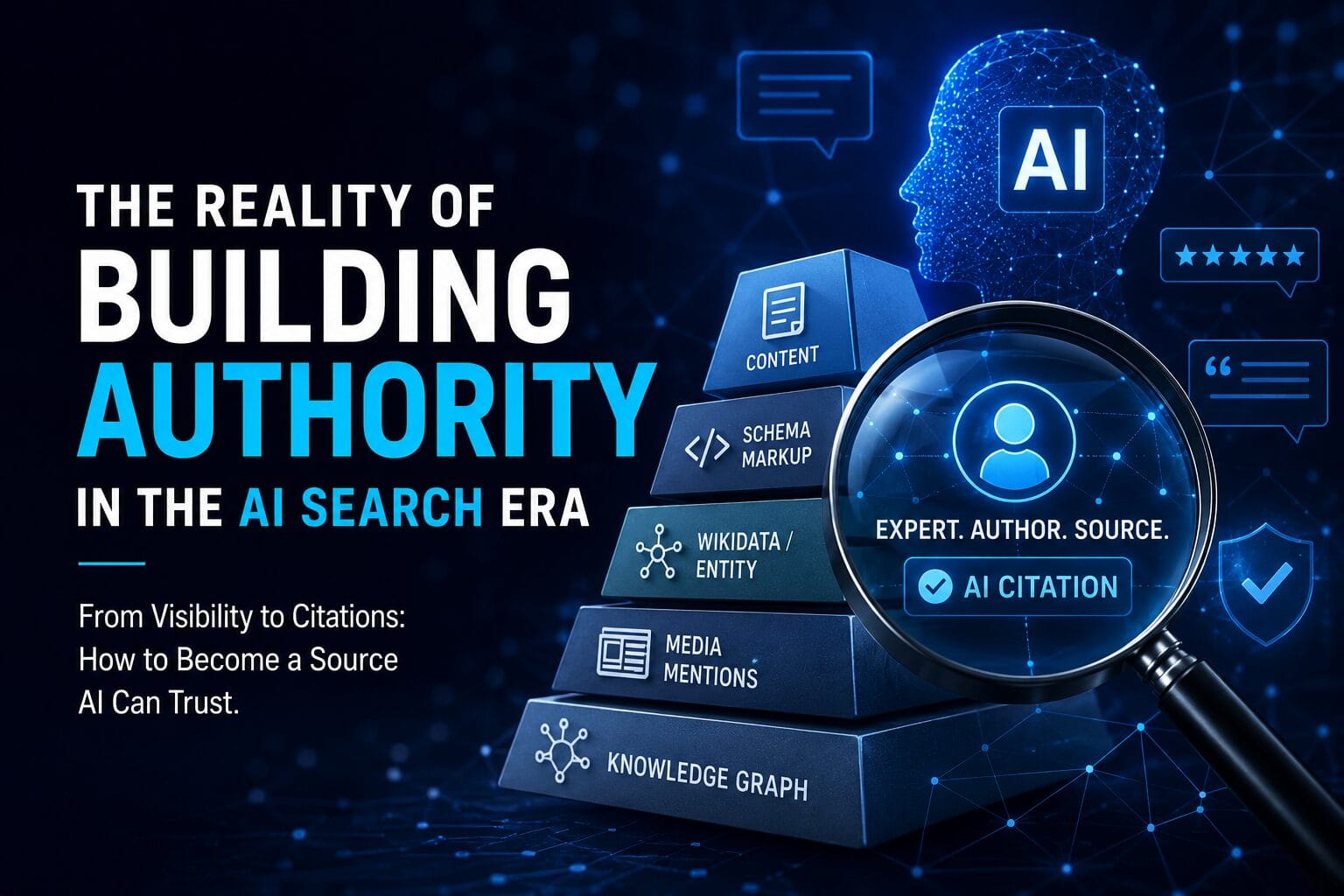
Structured data, often implemented via Schema.org markup, provides explicit context to search engines about the content on a page. This helps search engines understand entities, relationships, and the nature of the information being presented.
Enhancing Rich Snippet Potential
Well-implemented structured data can lead to rich snippets in search results, improving click-through rates. This includes ratings, recipes, event details, and more.
AI’s Dependence on Clear Signals
AI search engines, in particular, rely heavily on structured data to synthesize information and provide direct answers. Without these clear signals, AI might struggle to accurately interpret and utilize content.
The Unwavering Importance of Backlinks and Authority
While AI search may alter how information is presented, the underlying value of authority and trust signals remains. Backlinks are a primary indicator of a website’s credibility and the value of its content.
Link Acquisition as a Trust Signal
High-quality backlinks from reputable sources signal to search engines that a website is a trustworthy authority on its subject matter. This is a direct reflection of editorial endorsement.
Differentiating Signal from Noise
In an era of AI-generated content, the human endorsement represented by a natural backlink becomes even more valuable. It signifies that other entities deem the content worthy of citation.
The Longevity of Domain Authority
Building domain authority through consistent, high-quality content and strategic link acquisition is a long-term play. It provides a stable foundation that AI algorithms cannot easily replicate or undermine.
Content Relevance and User Intent
Beyond technical factors, understanding and serving user intent is paramount. This involves creating content that genuinely answers questions and solves problems for the target audience.
Satisfying Deeper User Needs
While AI can summarize information, it often struggles to replicate the nuanced understanding of complex user journeys or emotional needs that human-generated content can address.
The Role of Topical Authority
Establishing topical authority through comprehensive content on specific subjects builds credibility. This is essential for both traditional search rankings and for being recognized as a source by AI.
Lessons from Scaling Content Operations
Managing content at scale for multiple clients has provided invaluable insights into maintaining search visibility amidst evolving algorithms and search behaviors. The focus remains on robust technical foundations and authentic authority building.
Maintaining Consistency in Technical Audits
Regular technical SEO audits are crucial. These audits ensure that critical elements like site speed, mobile-friendliness, and crawlability remain optimized.
Proactive Issue Identification
By regularly reviewing site health, potential issues that could impact indexation or ranking can be identified and addressed before they significantly affect performance.
Adapting to Algorithm Updates
While core principles remain, specific technical requirements can shift. Consistent auditing allows for timely adaptation to these changes.
Strategic Link Building for Long-Term Growth
Developing a sustainable link-building strategy is key. This involves focusing on earning links through valuable content and genuine outreach.
Prioritizing Quality over Quantity
The emphasis is on acquiring links from authoritative and relevant websites rather than accumulating a large number of low-quality links.
Measuring Impact on Authority
Tracking the impact of link-building efforts on domain authority and overall site credibility provides a clear measure of success.
The Synergistic Relationship: Traditional SEO and AI Search
The rise of AI search does not negate traditional SEO; rather, it creates a synergistic relationship. AI systems are trained on vast datasets, and the quality of that data is paramount.
AI Leverages Well-Structured Data
AI search engines are more effective when the data they process is clean, well-organized, and semantically rich. This is precisely what strong technical SEO provides.
Structured Data as AI’s Foundation
For AI to accurately summarize and present information, it needs clearly defined data points. Schema markup is instrumental in this.
Backlinks as a Validation Layer
AI may be able to synthesize information, but it still requires a mechanism to validate the trustworthiness of that information. Authoritative backlinks serve this purpose.
Bridging the Gap with Expert Content
Human expertise and nuanced understanding are difficult for AI to replicate. High-quality, experience-driven content remains essential for engaging users and establishing true authority.
Content Depth and Originality
AI can provide summaries, but it cannot replace the in-depth analysis, original research, or unique perspectives found in well-crafted articles.
Addressing Complex User Journeys
For complex queries or when users seek detailed guidance, human-authored content that understands the full user journey is indispensable.
Conclusion: Building on Solid Ground
The evolution of search, including the integration of AI, underscores the enduring importance of robust technical SEO and authentic authority building. Indexation, structured data, and high-quality backlinks are not relics of the past; they are the fundamental building blocks for visibility in any search environment. By focusing on these core principles, businesses can ensure their online presence remains resilient and effective, adapting to new search paradigms while maintaining a strong connection with their audience. The future of search visibility lies in leveraging technical fundamentals to empower AI, while human expertise continues to drive content value and establish trust.
“The bedrock of digital visibility has always been clarity and authority. AI search is a new interface, but it fundamentally relies on the same clear signals that have driven organic success for years.”
— Pratik Singh Raguwanshi, LiveHelpIndia
Related reading: